

Gerson Carrillo
Director Of Professional Services at Support305
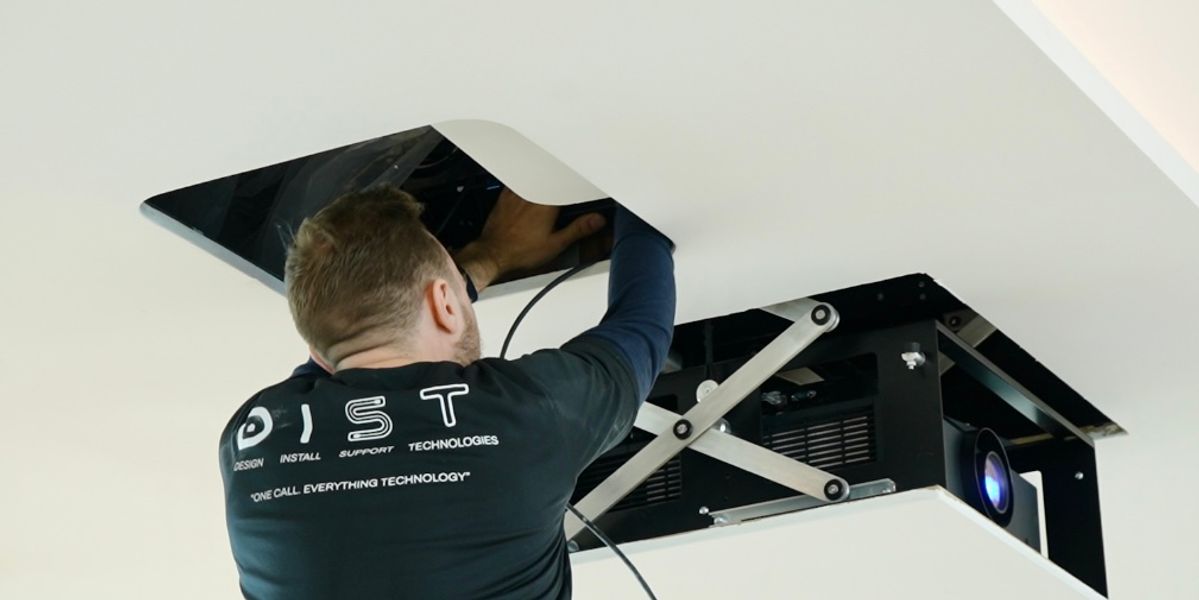
If you've ever sat through a presentation where the microphone cut out, the projector refused to sync, or the video call kept dropping — you already understand why audio visual integration matters. What you may not realize is that all of those problems stem from the same root cause: AV technology that wasn't properly designed, installed, or unified as a system.
Audio visual integration is the process of combining individual AV components — displays, speakers, cameras, microphones, control systems, and more — into a single, seamlessly functioning environment. When done right, the technology disappears into the background and your people can simply focus on the work.
This guide breaks down exactly what AV integration is, how the process works, where it applies, and how to choose the right partner to get it done.
At its core, audio visual integration is about making disparate technologies work together as one. Think of it like an orchestra: each instrument (camera, display, microphone, codec, control panel) can produce sound on its own, but without a conductor to coordinate them, you get noise — not music.
An integrated AV system ensures that:
This is fundamentally different from simply buying and installing AV equipment. Integration is a discipline — one that requires expertise in acoustics, signal flow, networking, control programming, and user experience design.
A properly integrated AV system doesn't just work — it works intuitively, reliably, and without requiring a technology expert in the room every time someone needs to run a meeting.
This is the most common use case. A fully integrated conference room might include a 4K display or video wall, ceiling microphones, a camera with auto-framing, a codec for video conferencing, room scheduling displays outside the door, and a control panel that manages it all with a single touch. The goal: anyone can walk in and start a meeting in under 60 seconds.
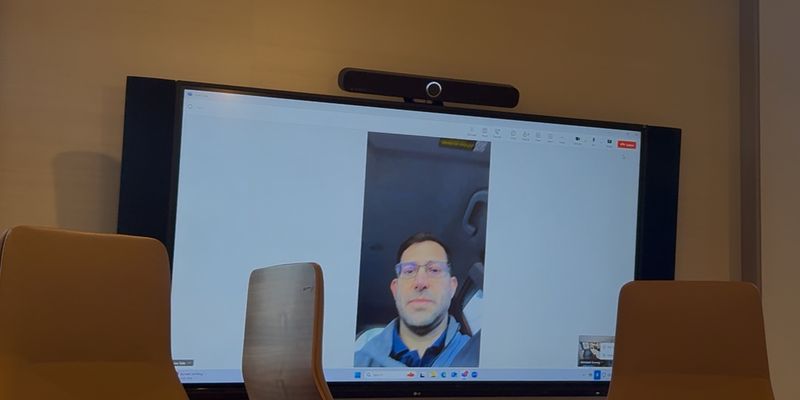
Corporate training environments require more complexity — multiple displays, wireless presentation systems, recording capabilities, and often distributed audio so the presenter can be heard clearly in every corner. AV integration ensures these elements function as a cohesive system rather than a tangle of independent devices.
Digital signage and video walls in lobbies are increasingly common — and increasingly expected. Integrated systems allow these displays to be centrally managed, content-scheduled, and connected to live data feeds. Done well, they reinforce brand identity the moment a visitor walks through the door.
Not every meeting happens in a full boardroom. Integrated AV solutions now extend to smaller huddle rooms and executive suites — bringing the same one-touch simplicity to compact spaces.
For companies with large all-hands spaces, integration is non-negotiable. Line array speakers, professional lighting, IMAG (image magnification) systems, broadcast-grade cameras, and live streaming infrastructure all need to be coordinated through a central control system.
Understanding the typical workflow helps you evaluate whether a prospective AV partner is being thorough or cutting corners. Here's how a professional AV integration project typically unfolds:
The difference between a good AV integration and a great one often comes down to what happens after installation: commissioning, training, and long-term support are where many integrators fall short.
This distinction is worth making clearly because many businesses make the mistake of purchasing high-end AV equipment without the integration layer — and wonder why it never works the way they expected.
Consider the difference:
The latter requires a systems engineer, not just an installer. And it's the difference between technology that impresses versus technology that frustrates.
When evaluating AV integration companies, look for these markers of quality:
Cost varies widely based on project scope, room count, technology tier, and complexity. A general framework:
The most important point: the cost of a poor AV integration — in lost productivity, embarrassing technical failures, and eventual rip-and-replace — almost always exceeds the cost of doing it right the first time.
For businesses in Miami, Fort Lauderdale, and the surrounding South Florida market, working with a locally based AV integration firm offers distinct advantages over national vendors:
South Florida's business environment — particularly in industries like hospitality, real estate, healthcare, and corporate headquarters — demands AV systems that perform flawlessly. The region's high-profile events, executive-level meetings, and international business activity set a high bar for technology quality.
Audio visual integration isn't a luxury — it's infrastructure. For businesses that rely on communication, collaboration, and presentation technology, a professionally integrated AV environment is as foundational as reliable internet or a well-designed office.
If you're planning a new office build-out, conference room refresh, or want to solve persistent AV problems affecting your team's productivity, the right place to start is a conversation with an experienced AV integrator.
Support305 serves businesses across Miami, South Florida, and beyond — from system design through installation, programming, and long-term support. Start
Discover more insights and tips from our latest articles
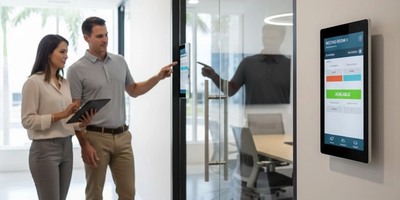
Discover 8 benefits of smart room scheduling systems for South Florida offices to improve productivity and efficiency.

LV Project Designer/ Programmer at Support305

Modern South Florida offices use access control systems to protect staff equipment and restricted areas while improving visibility control and daily workplace security operations.

Chief Technology Officer at Support305

Discover the most common conference room technology mistakes and how South Florida businesses can fix them to improve meeting reliability, audio clarity, and productivity.
LV Project Designer/ Programmer at Support305